
The Orchard
Support your neurodivergent employees without asking them to raise their hand first.
The Orchard gives your team private, on-demand video support for ADHD, autism, dyslexia and executive function, the kind of practical help usually reserved for 1:1 mentoring, available whenever someone needs it, without disclosing anything to HR or a manager.
Backed by evidence, not just good intentions.
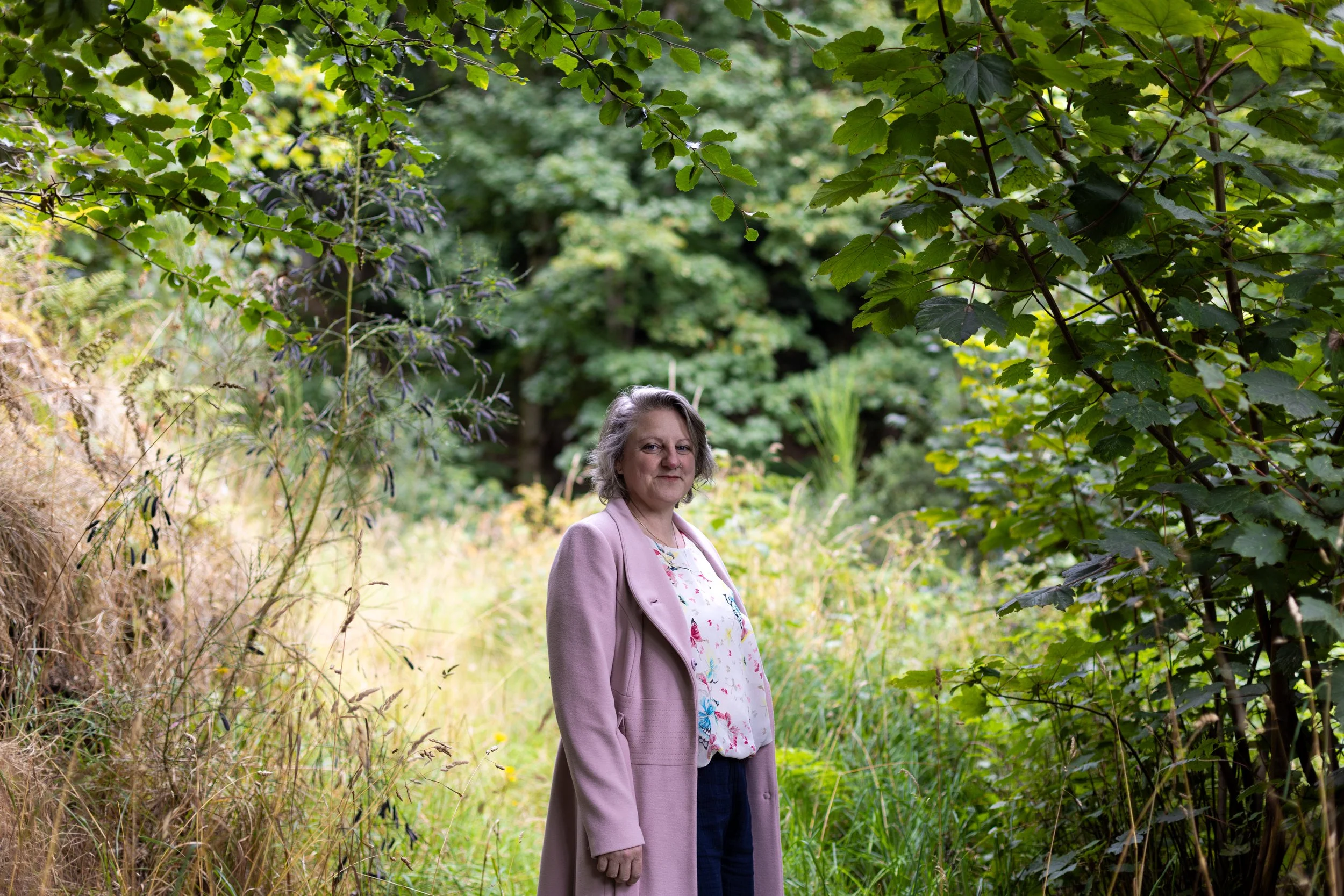
Founder Mia Preston gave evidence on neurodivergence in employment to the Scottish Parliament's Equalities, Human Rights and Civil Justice Committee in February 2026, representing the Federation of Small Businesses Scotland. Her evidence is quoted throughout the Committee's Neurodivergence in Scotland report, including on matching work to neurodivergent strengths and the employment pressures faced by parents and carers.
Why this matters now.
-
15%
of people in the UK are neurodivergent. Your team almost certainly includes people who are.
-
34% vs 82%
of autistic adults are employed, against non-disabled adults. One of the largest employment gaps of any group.
-
65%
of neurodivergent employees fear discrimination from management if they disclose at work, and 76% choose not to fully disclose at all.
-
265 → 517
neurodiversity employment tribunal cases, 2020 to 2025. ADHD-related claims specifically rose 750% over the same period.
Most workplace neuroinclusion effort goes into policy and disclosure processes — genuinely necessary, but only reaches the roughly 1 in 4 people willing to disclose. The Orchard is built for the other three-quarters: support that doesn't require anyone to identify themselves first.
What your team gets.
Private access to The Orchard's growing library of short, practical videos — the same kind of support Mia gives in 1:1 mentoring, available on-demand.
Each employee gets their own private login. What they watch is theirs alone — never visible to their employer, manager, or colleagues.
-
Focus & procrastination
Simple, repeatable tools for getting started and staying with it, built for brains that don't work on demand.
-
Sleep & Rest
How your brain actually winds down, and practical ways to make that easier.
-
Communication & Relationships
Ways to connect that feel natural, without masking.
-
Food & Routines
Cook-with-me videos, energy-based planning, and sensory-friendly ideas.
-
Neuroscience made simple
Short, clear explanations of how your brain works, minus the jargon.
-
Self-worth, Health & Identity
Rebuilding confidence and belonging on your own terms.
Preview
What’s Inside The Orchard
Why it's different from a general wellbeing app.
It's not generic wellness content re-labelled.
Every video is built specifically around neurodivergent brains — not mindfulness-app material with a neurodiversity tag added on.
It's not therapy, and it's not a compliance box to tick.
It's mentoring in a format that fits around a working day — practical, strength-based, grounded in neuroscience and lived experience.
It doesn't ask anyone to come forward first.
No disclosure to a line manager, no accommodation request, no meeting with HR. Just private access, from day one.

Why this benefits your business, not just your team
Supporting neurodivergent employees isn't only the right thing to do. CIPD's 2024 Neuroinclusion at Work survey of employers who'd taken neuroinclusion action found real organisational returns alongside the wellbeing gains:
40% saw a positive impact on retention — and neurodivergent employees who feel supported report a 52% higher intention to stay than those who don't.
52% saw improved employee engagement; 43% saw improved employee performance.
63% saw improved employee wellbeing overall — and among neurodivergent employees specifically, 63% of those who feel supported report a positive wellbeing impact, against just 9% of those who don't. That gap is the clearest evidence that support (of the kind The Orchard offers) is what moves the number, not just good intentions.
42% saw an improvement in recruiting neurodivergent talent — a meaningful edge when that group makes up roughly 1 in 7 of the working population.
There's a cost side too. Employment tribunal cases citing neurodiversity nearly doubled between 2020 and 2025 (265 → 517), with ADHD-related claims specifically up 750% over the same period — proactive support doesn't eliminate that exposure, but it's a materially different position to be in than doing nothing. And more broadly, staff turnover is expensive to begin with: Oxford Economics put the average cost of replacing an employee at £30,614 (lost output while a replacement gets up to speed, plus recruitment and cover costs) — context for why any credible retention lever is worth taking seriously, not a claim about what this specific service will save you.
How it works.
Talk to us
About how many people you'd like to cover and what your organisation needs.
We agree access
Individual private logins for your team, issued however suits you (rolled out to everyone, or offered as an opt-in benefit).
Your team gets started
Stream or download, on any device, whenever it's useful.
Frequently Asked Questions
-
No — it complements it. An EAP is typically reactive, for when someone's already in crisis. The Orchard is proactive, day-to-day support for the ordinary friction of working while neurodivergent.
-
No. Access is private to each employee.
-
They're separate. The Audit looks at your policies, culture and environment. The Orchard for Teams is a benefit you can offer employees directly, and works well alongside an Audit or entirely on its own.
-
No. The Orchard is for anyone who identifies as neurodivergent, diagnosed or not.
Let's talk about your team.
Tell us a little about your organisation and we'll come back with what team access could look like — no obligation.